
01 — The Context
Enterprise UX rarely fails because of a missing pixel.
When several teams work on the same workflows, differences appear almost automatically. The problem becomes visible in the interface. Its cause usually lies in missing rules, roles, and decisions.
The context:A B2B platform with many delivery teams involved. E.ON Grid Solutions later described Smart Extranet publicly as a daily work platform for around 15,000 users — that figure comes from communication after my engagement, not from any reach measurement of mine.
The real task:Detach UX from the single project and establish it as a shared way of working. Enough structure for quality, without building new bureaucracy.
02 — The Impact
Individual decisions turned into a shared basis for work.
The modernization made processes more consistent and decisions easier to connect across teams. The figures describe the context, not an outcome caused by me alone.
What may be shown publicly from this platform context is tightly limited. Public artifacts are limited by confidentiality; examples of routines and system work can be discussed anonymized in a direct conversation.
03 — The Approach
DesignOps is good when you barely notice it.
Spot what repeats
Bring similar processes and states together before every team builds its own variant.
Routines instead of rules for their own sake
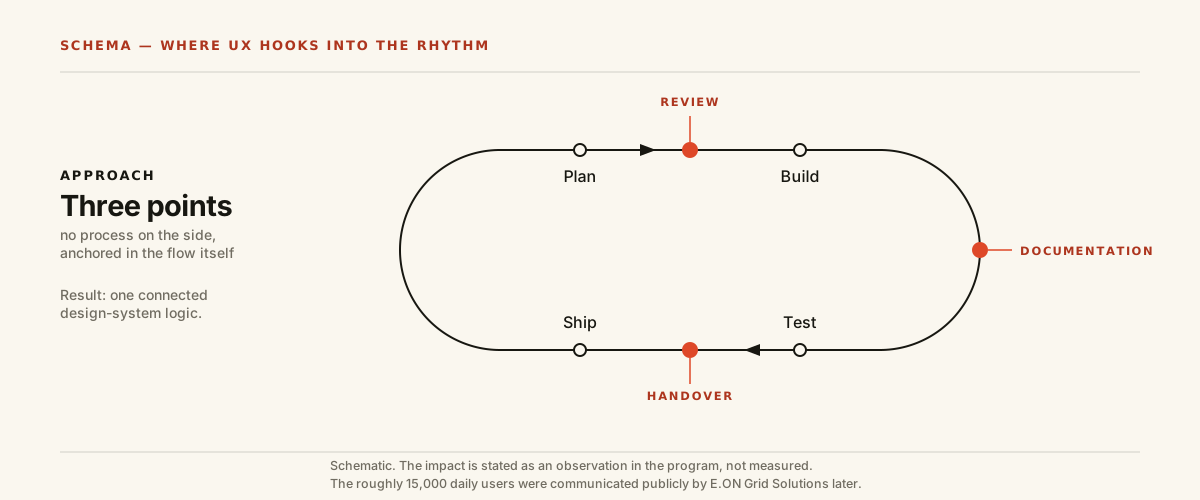
Anchor reviews, documentation, and handovers where delivery is happening anyway.
Connect system and product
Do not maintain components in isolation; test and evolve them against real workflows.
“A design system does not scale because it is complete. It scales when teams trust it.”What stayed from enterprise DesignOps
04 — Key Learnings
What stayed from this work.
The best system does not help if it is built past the everyday work of the teams.
Good rules solve what repeats. They do not stop new problems from being thought through anew.